
Gusu, an off the grid test for aquaponics; part one.
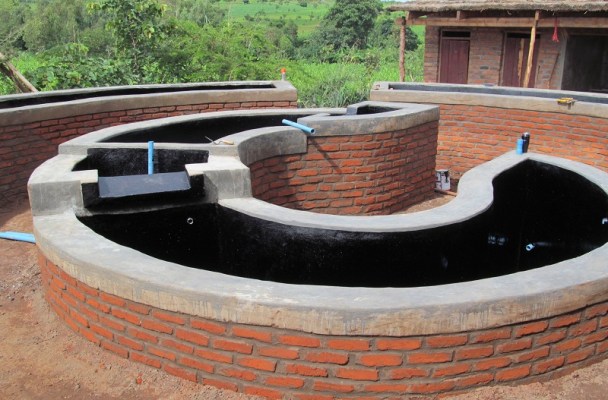
On January 7th, J.T and his friend Derick landed at Kamuzu airport in Lilongwe, Malawi. This was J.T.’s second time and Derick’s first time in Malawi. Their purpose, to construct a rural, off the grid aquaponics system in the village of Jidi, also known as Gusu. As you recall from an earlier post. J.T. constructed the first aquaponics system in Malawi last February at the African Bible College campus. Now it was time to see if this application can be taken to the village.
You may be wondering, “Why aquaponics and why in the village”? To answer that I must first tell you a little bit about Malawi.
Malawi, according to estimates is the 5th poorest country in the world with estimates of up to 80% unemployment. The tradition is to plant and harvest an entire years worth of food during the three month rainy season. Between a lack of employment and growing once a year, Malawians living in rural settings, roughly 13 million of them, run out of food during the rainy season and go hungry. Electricity is scarce and so is clean running water thus creating an environment where industry is difficult. There are only a few paved roads so the villages are mainly left to dirt roads. To say that living conditions in a rural setting is difficult would be an understatement.

Typical dirt road with maize growing on the side.
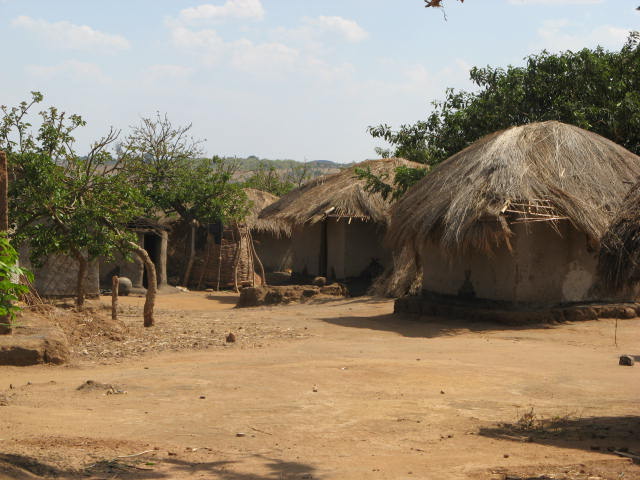
Typical village structures.
Nutritionally, Malawians have the deck stacked against them. Not only do they grow only once a year but the staple crop and therefore diet is maize; what we know back in the states as field corn. The maize is left to dry on the stalk and then taken to a maize mill where it is milled two times into a fine white flour. Because of this processing, most of the nutrients are processed away so the nutritional value of maize is quite small. Malawians do eat a relish with the maize which consists of a bit of pumpkin leaves, beans, or if luck some bits of chicken, goat, or beef. Vitamin deficiency, under nourishment, stunted growth, and other ailments result from this diet.
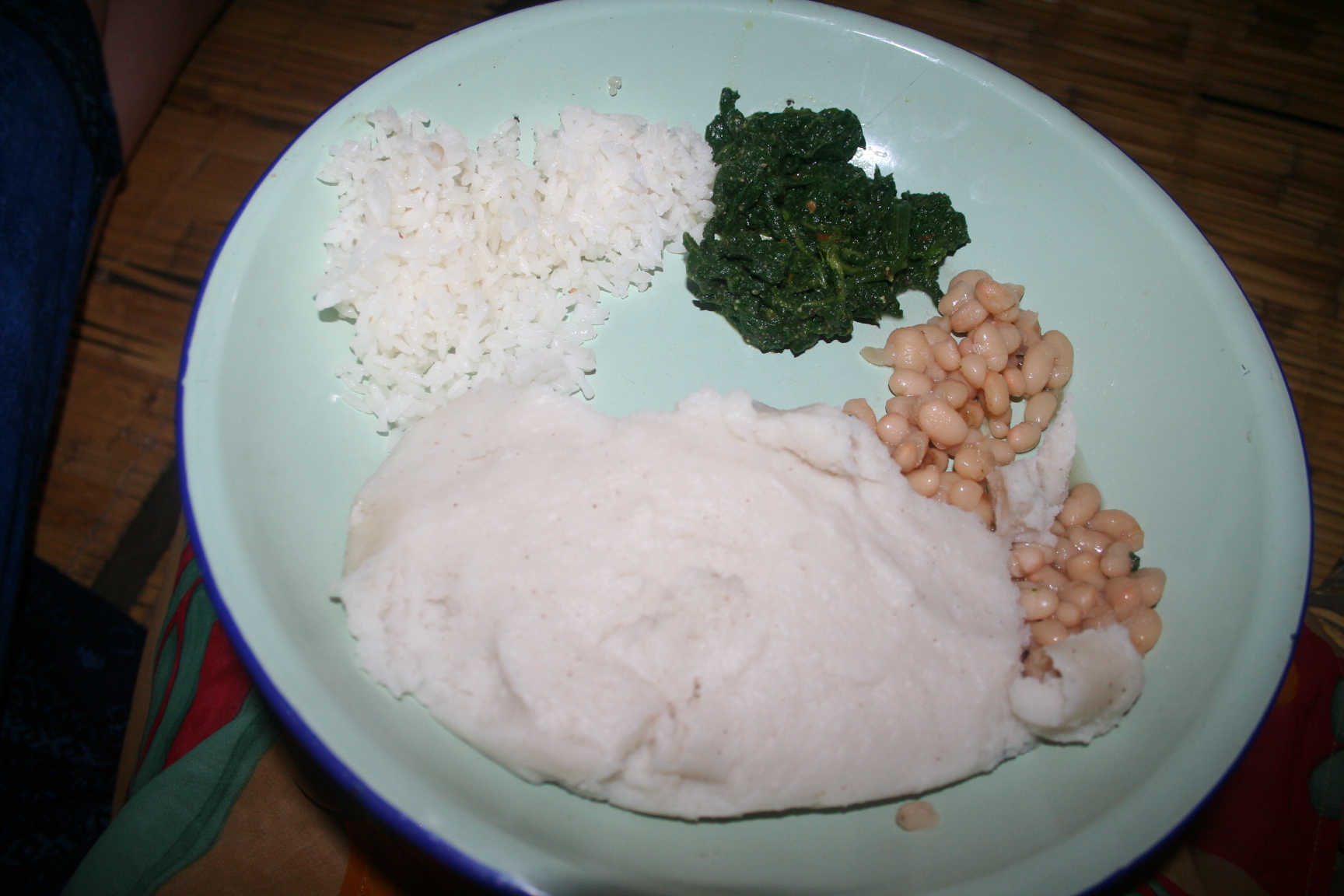
A good meal; nsima, rice, beans, and pumpkin leaves.
The other issue with maize is the way it is grown. Because it is a staple crop, virtually everyone grows it and grows it each and every year. This mono-cropping the same soil year after year has lead to a terrible degradation in soil quality such that for maize to be grown successfully it needs to be a genetically modified brand coupled with high amounts of fertilizer. The end result is a terrible cost in soil resources and a very high price in farm inputs; certainly not a recipe for sustainability or good revenue.
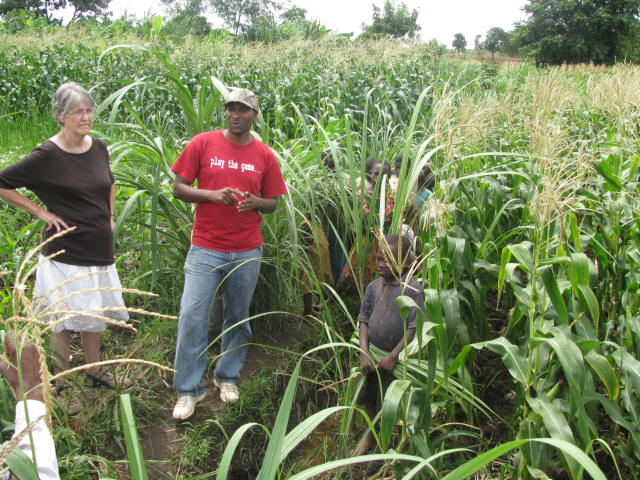
Nice looking maize field.
However, even with this difficult setting, there are many bright spots. Malawi has been blessed with a temperate weather pattern which allows plants to grow year round, has a relatively high water table through most of the country, sun that is out year round except on average three days, plenty of land, and a work force that is eager to work. The trick is to look at the positives through an asset based approach and then come up with ways to enhance what the village has to work with.
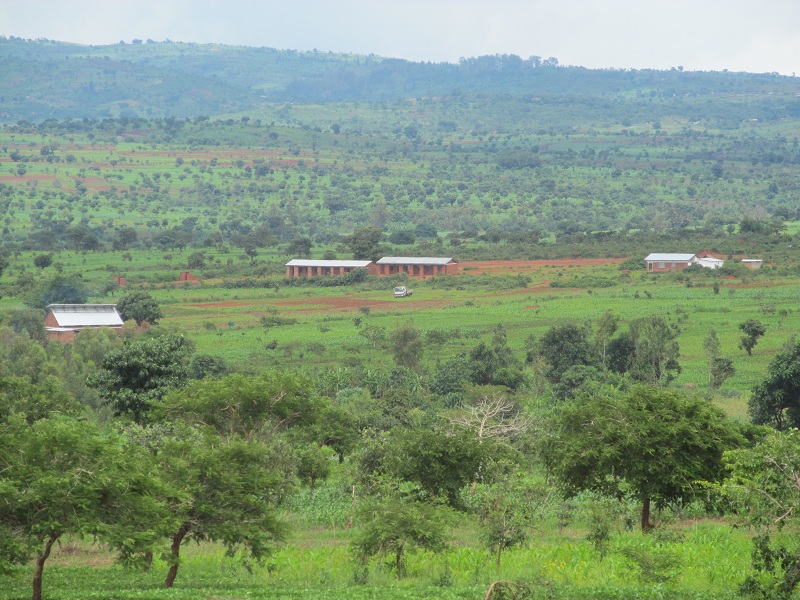
School and EMP building in Jidi. Lots of land, good skies, and water underneath.
So, why aquaponics. Well, aquaponics addresses some key issues such as low production costs, no pesticides, high growth rates, multiple nutrient sources, income generation through fish and vegetable sales, income for a small work force, and a closed loop sustainable system. It even gets better when the system is coupled with a large closed loop system that includes animal husbandry, vermiculture (worm farm), and a bio-digester which I will cover in a later article.
This is the setting that J.T. and Derick arrived in eager to construct a system and just like last time the going was off to a slow start; when will we learn? Between rain that made roads very difficult to traverse and pipe suppliers that didn’t have the right parts it looked like we were in for a tough slog. But, seeing that J.T. has a great demeanor he just set to work.
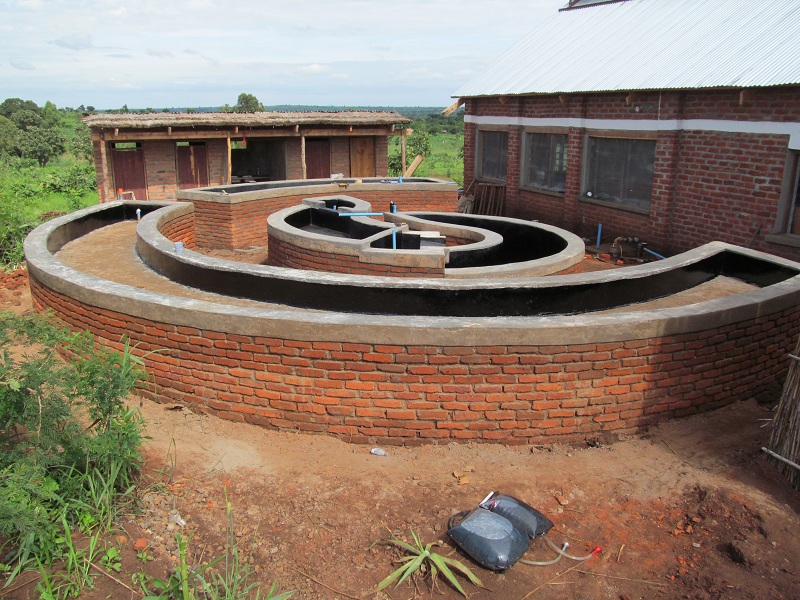
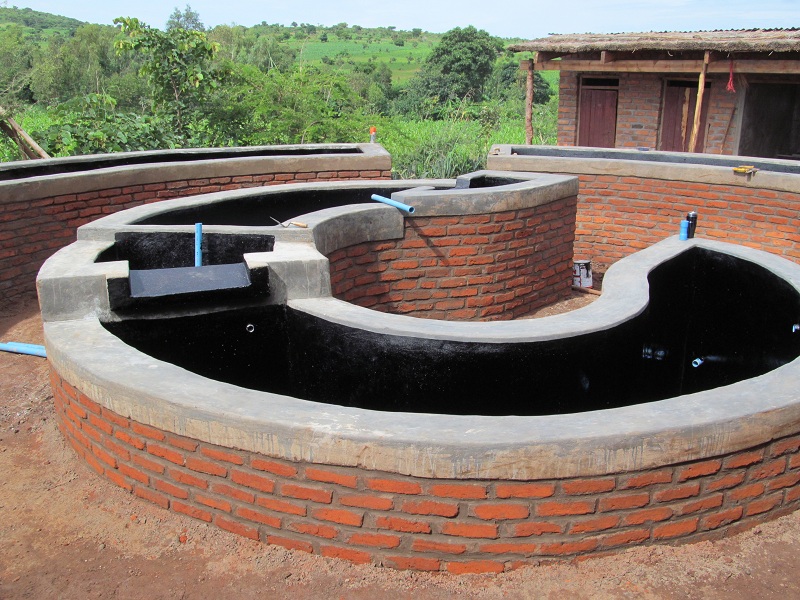
First, they decided that this village system needed to be a teaching system so they laid it out in a circle. The outer ring is made up entirely of grow-beds. The inner circle is made up of a waterfall and grow-bed on the back half and a 2000 gallon fish tank in the front half. A lecturer can stand in the center of the circle to give a talk on how the system works.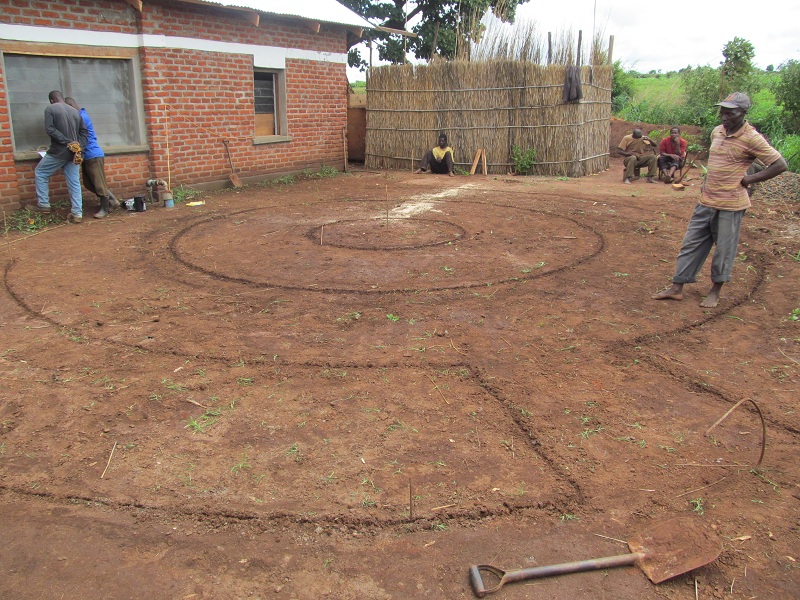
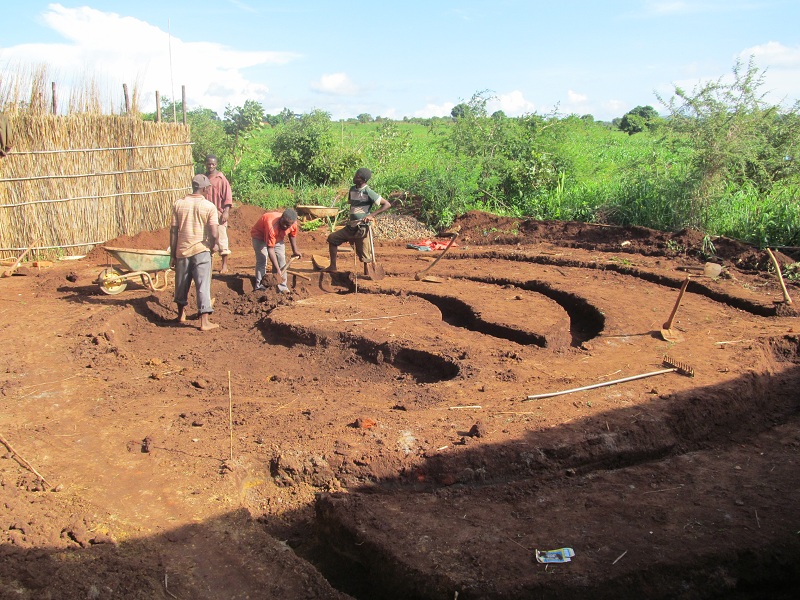
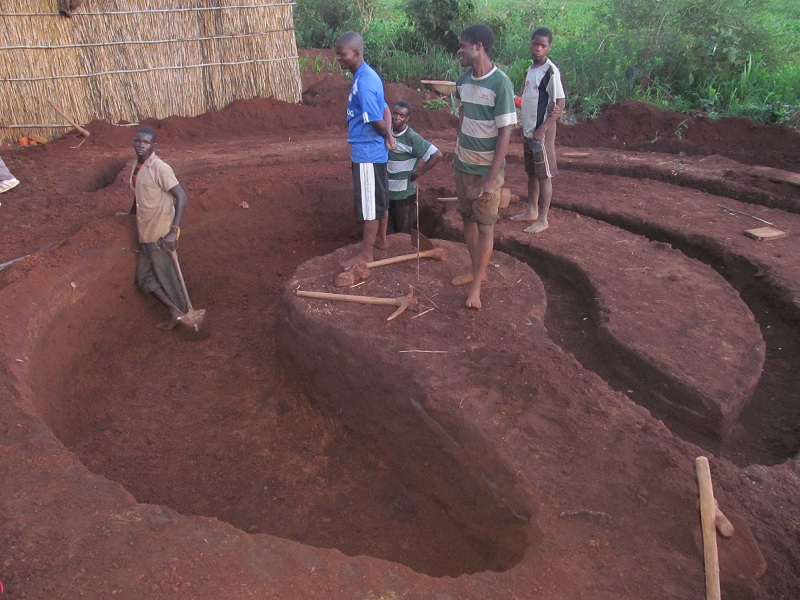
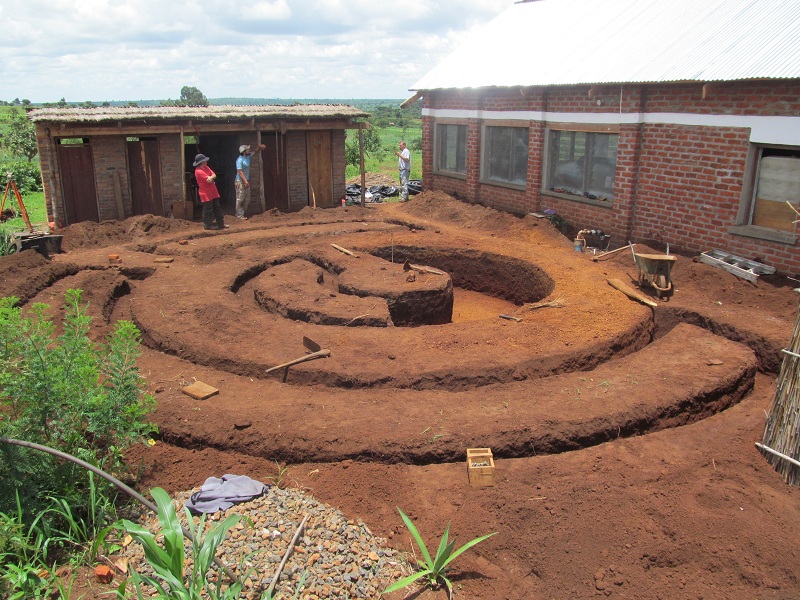
Right off the bat the challenges reared their head but this time J.T. was ready. If you read the first article about the ABC system you will remember that the first try was not level and level is paramount. This system is round. Have you ever tried to by hand build a brick wall perfectly level in a circle? It is tough enough to do it in a straight line. So, J.T. set up a transit and with perfect patience worked with Richard and the crew to form a perfectly level footing and then perfectly level wall structure never out more than 1/4 of an inch. Pretty amazing stuff that is.

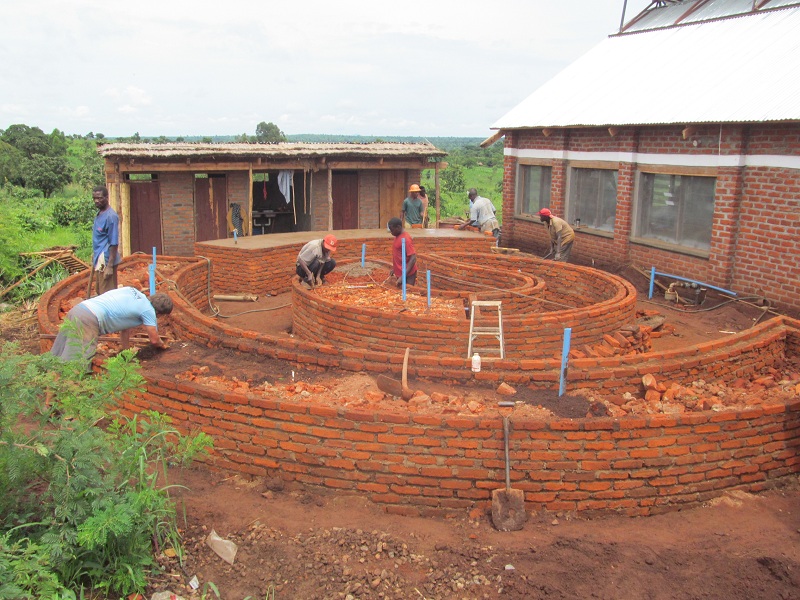
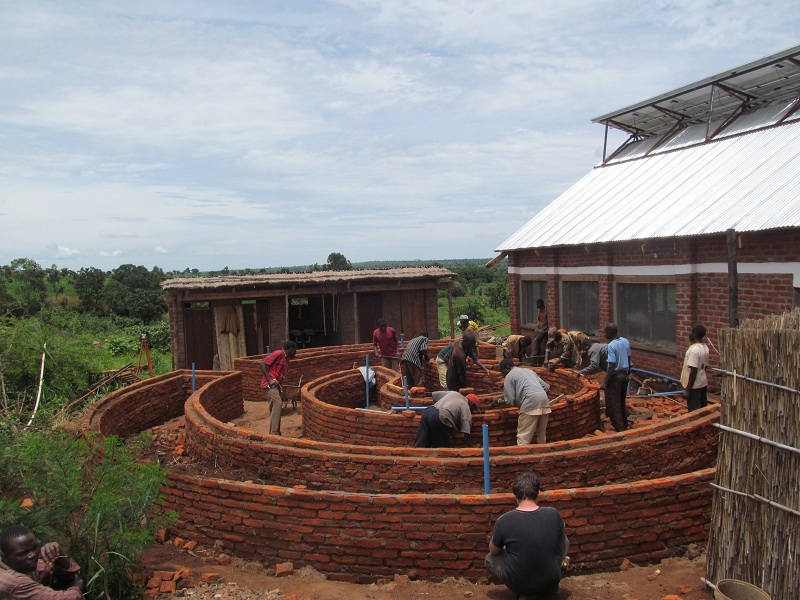

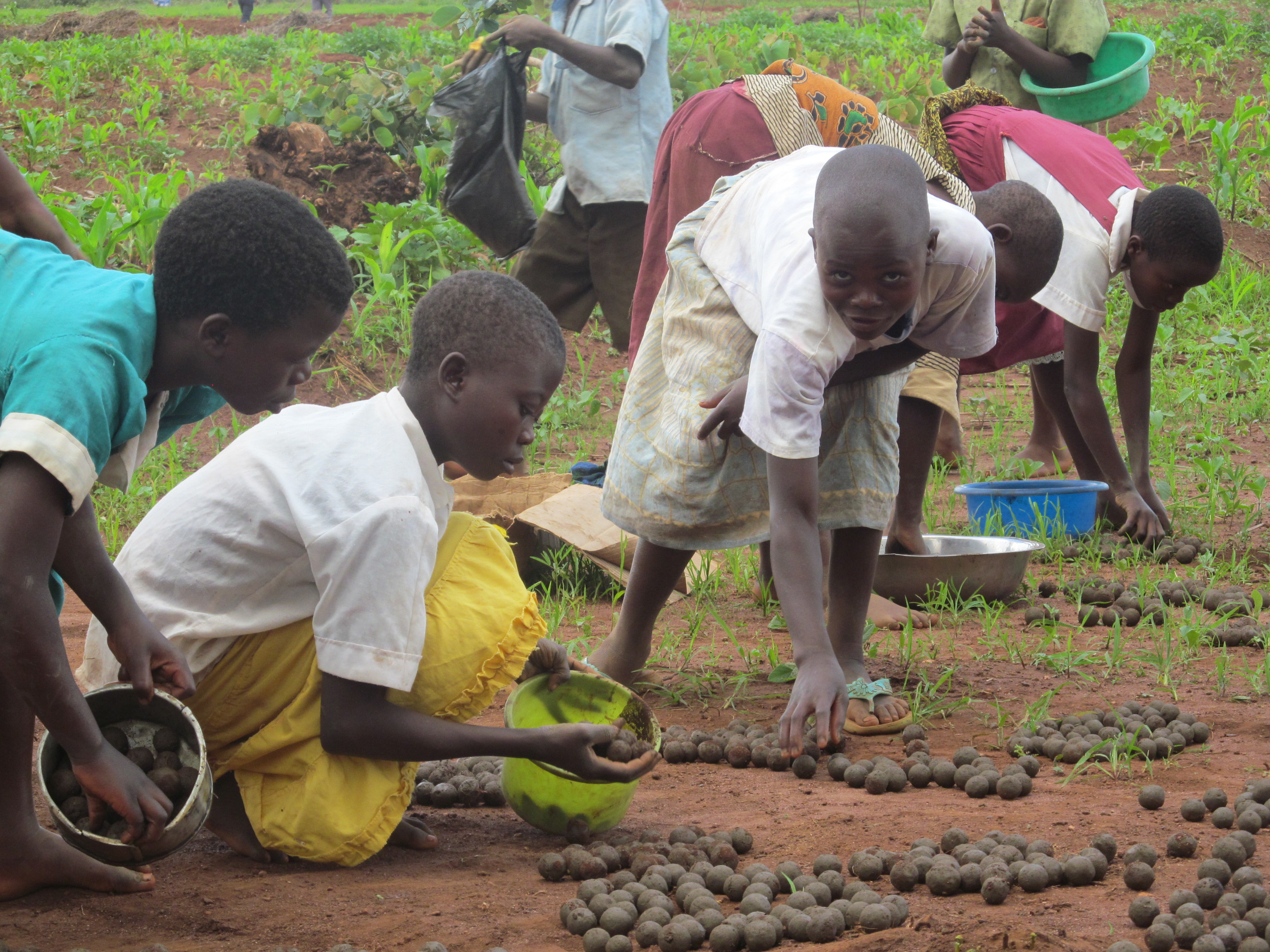
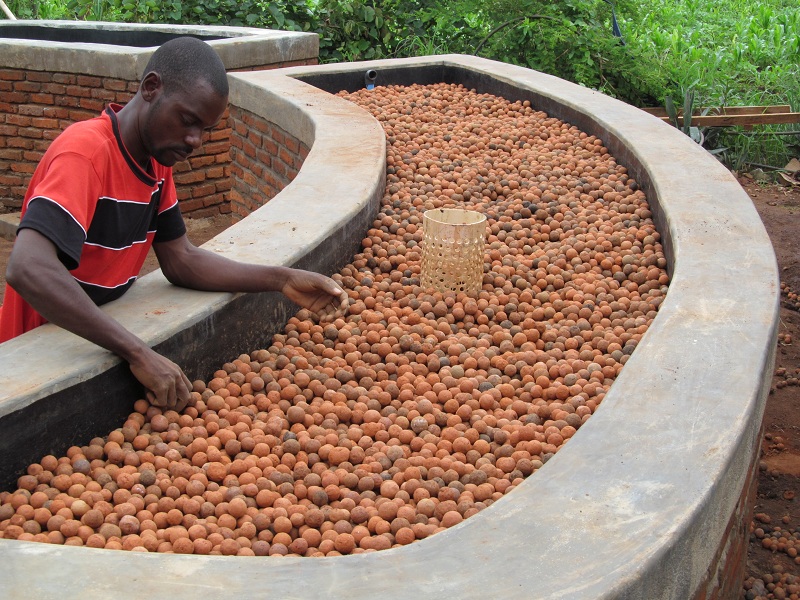
While the walls were being built, Dennis started the village on a clay ball making exercise. If you remember from our first system, sourcing grow-bed media (rocks) was an expensive proposition that was only solved with trucking rocks in an hour away. This time, we decided to make out own media; fired clay balls. This option is still not super cheap BUT it keeps the money in Gusu by way of employment; the third “E” in E3. Dennis hired a ton of villagers and to date have made a lot and I mean a lot of balls.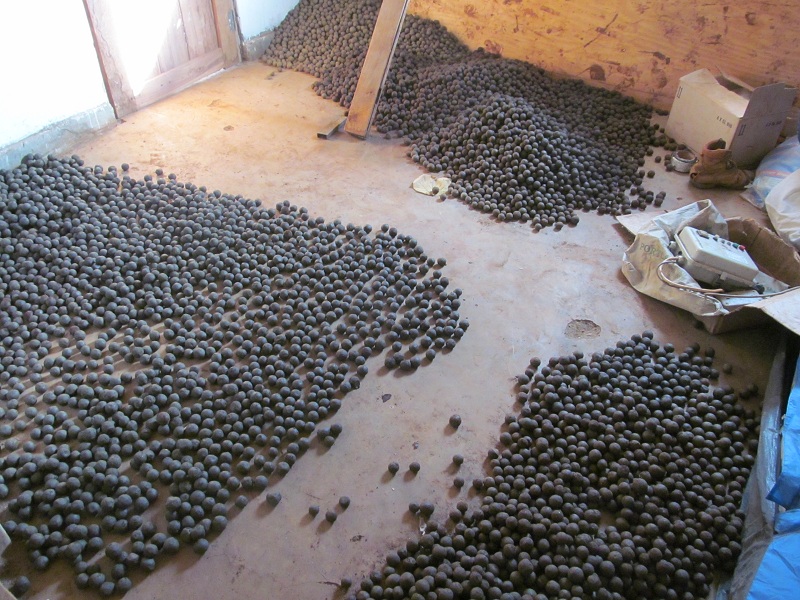

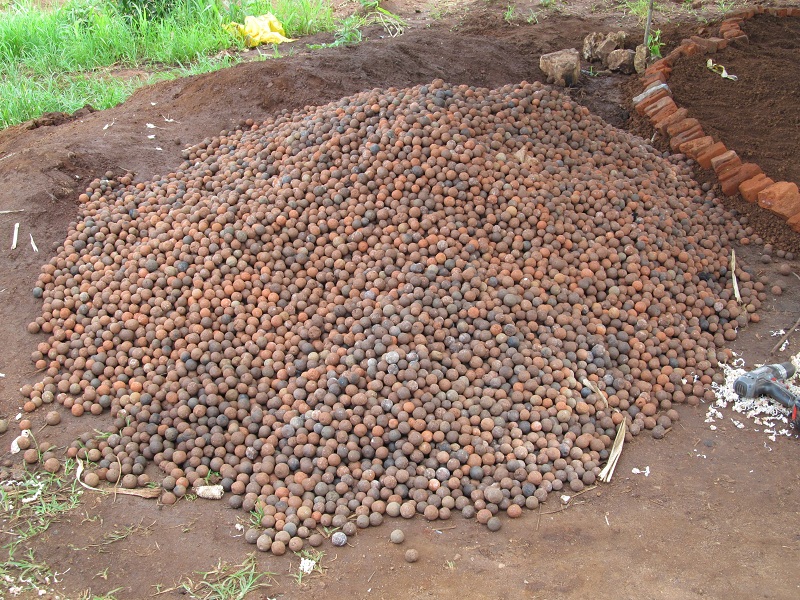

Fast forward a week and you will see that the walls are up, the floor is poured, and the inside painted a waterproof black. We are ready for ball install and water but not so fast. Looks like there are leaks after doing a test. And this is where J.T. exits the party as his time ran out. Rats!!! Before he left, J.T. was able to calibrate the new type of flood and drain system he created called a “U” system and then train us how to use it. He was also able to get the pump installed and working so all the mechanicals are up and running. Now it is up to us to finish the task of resurfacing the inside, finishing the balls, adding the grow media, filling the tanks with water, and adding the fish. in later posts I will chronicle whether we have been successful or not and then much later try to keep tabs on fish and vegetable production.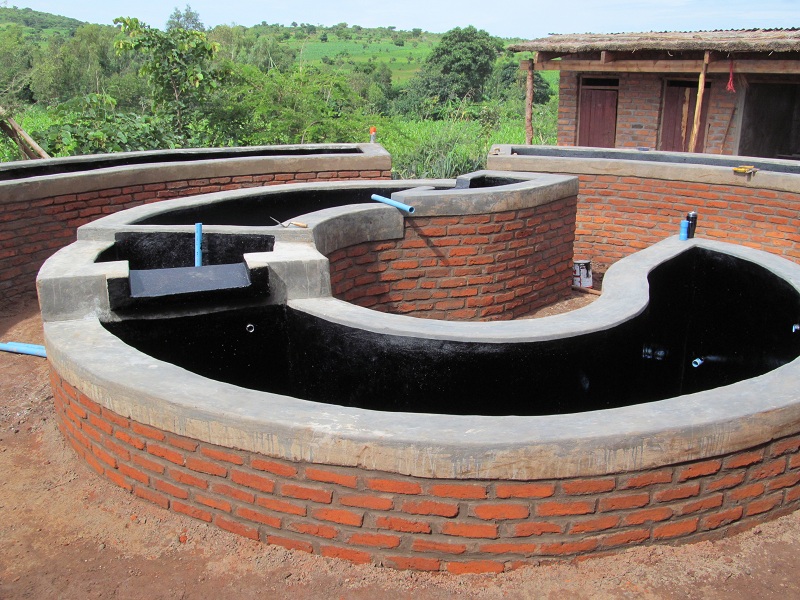
We will also be doing a study to see if the small mosquito eater fish that we will be keeping will help keep the mosquito’s and thus malaria at bay. Stay tuned for that!
 e3worldwide
One Response to “Gusu, an off the grid test for aquaponics; part one.”
Reblogged this on Creative Resources, Bangladesh.